

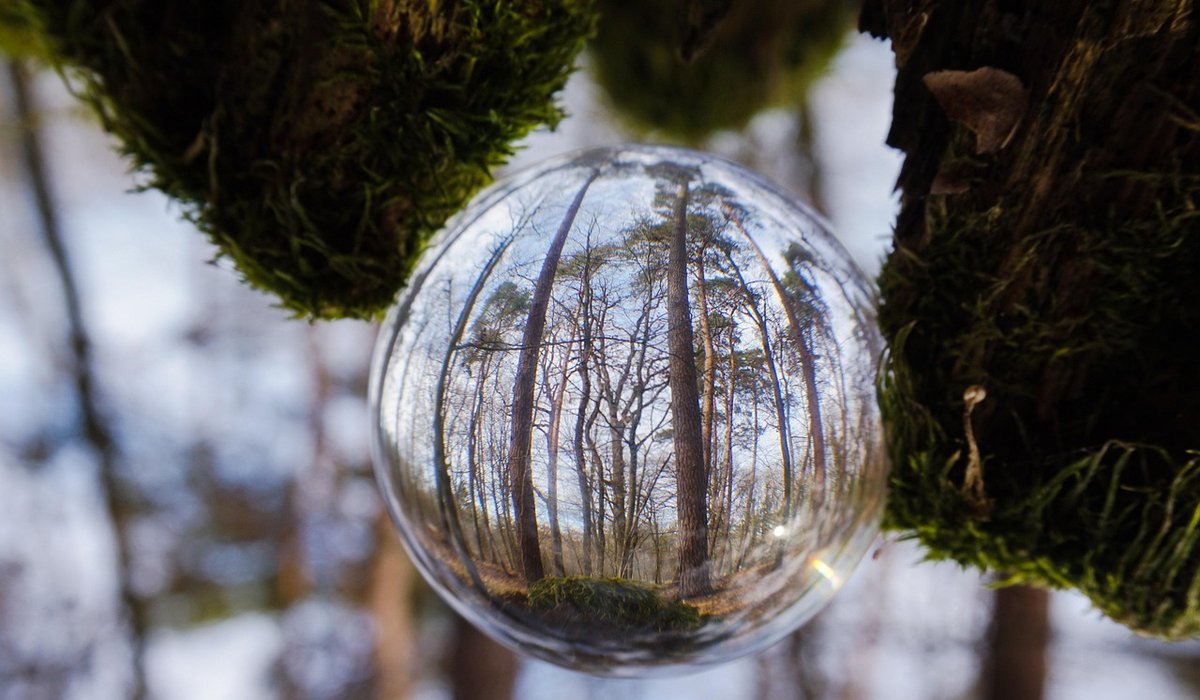
Most of us begin a photography habit with the best of intentions. We plan a big outing, fill a memory card, then let the camera sit in a drawer for three months. The problem is not enthusiasm. It is that photography gets treated as an event rather than a practice.
A daily ritual works differently. Ten minutes, at roughly the same time each day, with no ambition beyond turning up and looking. That is small enough to survive a wet Tuesday, a busy week, or a low mood. And because it is repeatable, it quietly builds something valuable: a habit of creative attention.
Mindful photography is not about producing your best image. It is about using the camera as a reason to slow down and notice. The photograph is a by-product. The attention is the point.
Consistency matters more than duration. Pick a slot you can genuinely protect — and it helps enormously if it is anchored to something you already do. After your morning coffee. On the walk back from the school gate. Just before you close the curtains at dusk.
Anchor your practice to an existing habit and you spend far less willpower deciding to do it. You simply pair the camera with something that already happens.
A few practical decisions will make the ritual easier to keep:
If you miss a day, that is not failure. The practice is a garden, not a streak. Begin again tomorrow without ceremony.
The first few minutes are usually restless. The mind wants stimulation, novelty, a subject worth posting. Let that settle. Stay in one spot for a full two minutes before you raise the camera at all. Breathe. Let your eyes soften.
Then begin looking for specific things rather than "something interesting". Particulars are what rescue you from blank staring. Try these as prompts:
Take three or four frames of one subject rather than thirty of thirty subjects. Depth of attention beats breadth of coverage every time.
This is where a fixed time and place pays off beautifully. Within a few weeks you will notice shifts you would otherwise have missed entirely. The angle of morning light changes. The first frost appears on the same patch of grass. A tree you have photographed for months suddenly opens.
Because you return to the same subject, you begin to see it properly — not as scenery but as something with a life of its own. Seasonal change becomes a slow, unfolding narrative that you are quietly documenting.
Over a year, this becomes a genuine body of work, made in ten-minute slices. A single tree photographed weekly is far more compelling than a hundred unrelated snapshots. It also teaches patience, which photography tends to reward.
The British calendar offers a remarkable range, and your ritual will change character with it. In winter, you are working with low sun, long shadows and brief windows of usable daylight. Midday becomes soft and forgiving; late afternoon glows if you catch it. Embrace the gloom: overcast light is a gift for texture and detail, and wet streets hold reflections beautifully.
In spring and summer, light gets harsher and the day gets longer. Move your ritual earlier or later if you can, into the gentler hours. Look for shade, backlight through leaves, and the low sun that arrives after a summer shower.
Autumn is arguably the richest month for a daily practice. Fog, damp stone, turning leaves, and the low golden light that pays off a patient eye. Whatever the season, dress for the weather and stay out anyway. Being willing to photograph in poor conditions is what separates a practice from a nice-weather hobby.
The ritual only survives if it stays low-stakes. Do not turn it into a portfolio, a social media schedule, or another thing to be good at. No one is marking you. The images can be ordinary.
Review your photographs now and then, perhaps at the end of each month. Look for patterns in what you keep coming back to. That is useful information about your own curiosity, not a test of skill. Delete freely, keep a few, and resist the urge to judge the whole practice by one disappointing week.
What you are really building is not a camera habit but a capacity to notice. Ten minutes of deliberate looking, repeated most days, changes how you move through the world. You begin to spot light on a wall, the shape of a shadow, the first sign of a season turning. And you carry that attentiveness with you long after the camera is put away.
If you would like to begin today, simply choose your time and place. Take one photograph of something within a few steps of your front door. Then do the same tomorrow. That is the whole method.

Zen Photographic Simple, genuine and looked after with care — the kind of place worth returning to.

Zen Photographic Real stories, useful guides and the occasional recommendation, all in one calm corner of the web.

A wider aperture softens backgrounds and lets in more light, which suits quiet woodland scenes and close studies of leaves or flowers.

Comments
ALina Kelian
19th May 2018 ReplyZen Photographic An honest, everyday look at the things that make life a little better — with advice you can actually use. ullamco laboris nisi ut aliquip ex ea commodo consequat.
Rlex Kelian
19th May 2018 ReplyZen Photographic Written for people who value the details, and want honest guidance they can trust. ullamco laboris nisi ut aliquip commodo.
Roboto Alex
21th May 2018 ReplyZen Photographic Written for people who value the details, and want honest guidance they can trust. ullamco laboris nisi ut aliquip ex ea commodo consequat.