

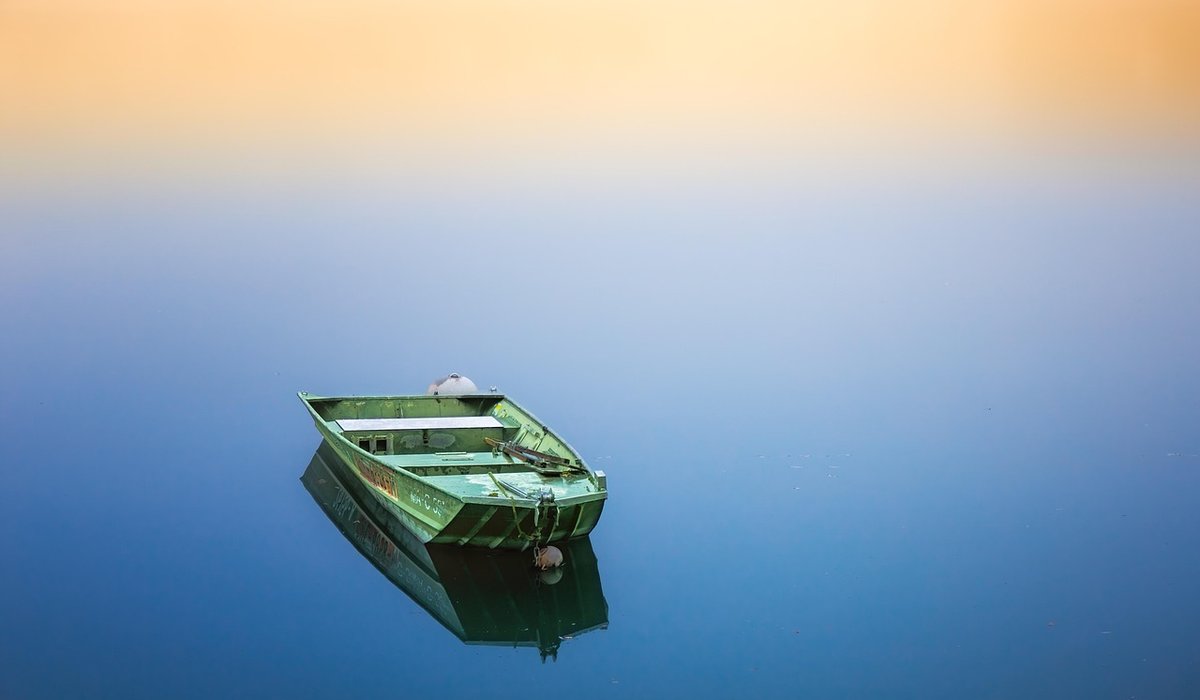
On the days when everything feels like too much, the mind tends to race ahead of the body. You replay yesterday's awkward conversation, rehearse tomorrow's difficult meeting, and somewhere in the middle of all that noise, the present moment quietly disappears. Photography offers a gentle way back. Not because a camera is magic, but because it asks something very specific of you: look closely, right now, at one thing.
This is not about producing gallery-worthy images. It is about giving your attention a single, manageable place to rest. When your thoughts are spiralling, a short walk with one simple subject can anchor you in the present and restore a sense of perspective.
The temptation when you pick up a camera is to capture everything. Resist it. Choose one subject before you leave the house and let that be your only task. A single tree, a particular doorway, the way light falls on a wall, a bench, a leaf, a puddle. One subject is enough.
Having a fixed subject removes decision fatigue, which is often the very thing that makes difficult days harder. You are not searching for the perfect photograph; you are keeping a quiet appointment with one small part of the world.
Mindful photography is really mindful looking, with a camera as the excuse. Before you take a single frame, stand still and take three slow breaths. Feel your feet on the ground. Listen for the sounds around you — traffic, birds, footsteps, wind in leaves. Let your shoulders drop.
Only then bring the camera to your eye. Notice what draws you in: a texture, a colour, a reflection, an unexpected shape. When you frame a shot, you are making a series of small, deliberate choices. That act of choosing is itself grounding. It pulls your attention away from the loop of worry and into something concrete and immediate.
If your mind drifts back to whatever is troubling you, that is completely normal. Simply return to your subject, the way you would return to your breath in meditation. There is no failure here, only practice.
A phone camera is perfectly sufficient. So is an old compact, or any camera you already own and understand. Fancy equipment adds pressure and expense, neither of which helps a stressed mind. The fewer settings you have to think about, the more attention you have left for looking.
Set yourself one gentle constraint and nothing more. For example:
Constraints are not restrictions; they are invitations. They give your restless mind something small and clear to hold onto, and they often produce more interesting images than a wide-open brief ever would.
The pace matters as much as the pictures. Aim to walk at roughly half your usual speed. If you normally stride, amble. Pause often. Stand in one spot for a full minute and watch. You will start to see things you would otherwise walk straight past: the grain of a wooden fence, a sparrow bathing in a gutter, the geometry of a fire escape against the sky.
This slower rhythm has a physical effect. Your breathing deepens, your jaw loosens, and the tightness in your chest begins to ease. Photography gives you a legitimate reason to stop and stare, which many of us feel we are not allowed to do. On a difficult day, that permission is surprisingly powerful.
Do not rush to edit, post, or judge. The photograph is a by-product; the walk was the point. When you get home, look through what you captured once, without criticism. Notice which images you are drawn to and ask yourself why. Was it the colour, the light, the memory of standing there?
Some people find it helpful to keep a small folder of these walks. Over weeks and months, it becomes a quiet record of difficult days survived and ordinary moments noticed. Others delete everything and simply enjoy the process. Both approaches are fine.
If you would like to build the habit, try this simple weekly rhythm:
Stress rarely lifts because we have solved everything at once. More often, it eases because we have given our attention somewhere gentler to go for a while. A camera, one subject, and twenty slow minutes are a small and reliable way to begin.

Zen Photographic Simple, genuine and looked after with care — the kind of place worth returning to.

Zen Photographic Real stories, useful guides and the occasional recommendation, all in one calm corner of the web.

Regular small projects help you trust your eye, learn from imperfect frames and celebrate progress without comparing your work to others.

Comments
ALina Kelian
19th May 2018 ReplyZen Photographic An honest, everyday look at the things that make life a little better — with advice you can actually use. ullamco laboris nisi ut aliquip ex ea commodo consequat.
Rlex Kelian
19th May 2018 ReplyZen Photographic Written for people who value the details, and want honest guidance they can trust. ullamco laboris nisi ut aliquip commodo.
Roboto Alex
21th May 2018 ReplyZen Photographic Written for people who value the details, and want honest guidance they can trust. ullamco laboris nisi ut aliquip ex ea commodo consequat.