

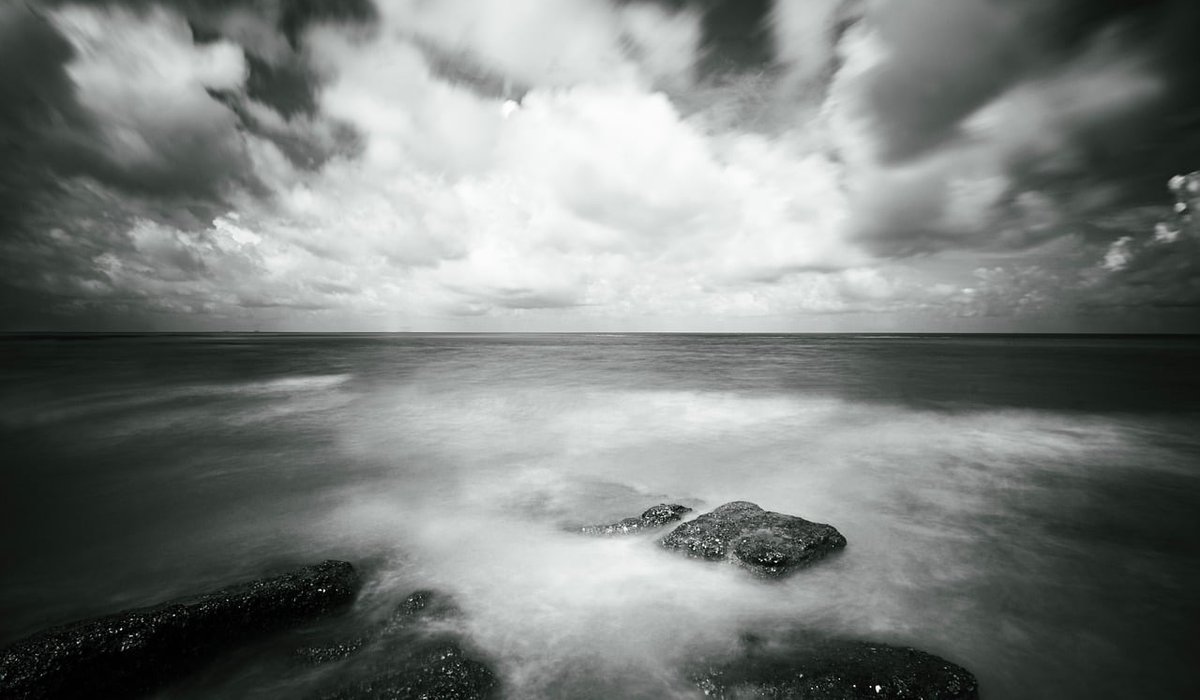
Most of us photograph the way we do the weekly shop: quickly, in bulk, with half an eye on the next thing. We take a dozen versions of the same view, scroll through them later, and feel oddly unmoved. Mindful photography reverses that habit. It asks you to choose one scene, stay with it, and wait — not for the perfect picture, but for something to shift. Light, movement, weather, your own attention. The photograph becomes almost a by-product of the waiting.
This is not about technical mastery. It is about creative attention: the deliberate, unhurried act of looking at one thing long enough that it begins to reveal itself. Done regularly, it lowers the shoulders, slows the breath and quietly rebuilds a capacity for patience that most of us have mislaid.
Pick somewhere unremarkable. A bench facing a canal. A kitchen window at first light. A stretch of pavement where people pass. The scene does not need to be beautiful; it needs to be patient with you. Somewhere you can stand or sit without feeling self-conscious, and without needing to move on.
Before you begin, ask three questions:
Then commit. Decide that this is your frame, and that you will not go looking for a better one. That decision is the whole practice in miniature.
Stand or sit still and leave the camera down for the first few minutes. Feel your feet on the ground. Let your gaze go wide — soft, unfocused, taking in the whole scene rather than picking at details. Breathe out a little longer than you breathe in. This settling-in period is not optional. If you start photographing immediately, you will photograph your own impatience.
Set the camera up so it does not intrude: single-shot mode rather than burst, notifications silenced, screen brightness low. You want as few decisions as possible between noticing something and responding to it. If you are using a phone, it is a camera for the next twenty minutes and nothing else.
Waiting is the work. Nothing may happen for a while, and that is the point — you are practising being present when there is nothing to capture. To keep attention from drifting, cycle through a few simple questions:
You are not hunting; you are keeping company with the scene. Let your attention narrow and widen: pick out a single detail — a chipped gatepost, a leaf turning — then open out again to the whole view. That rhythm keeps looking fresh and holds restlessness at bay.
Take the photograph when something in you responds rather than when the frame is technically tidy. A small lift in the chest, a settling, a sense of "there it is". That signal is more reliable than any rule about composition. One frame, then lower the camera. Take three slow breaths. If nothing else calls you, you are finished — and you have still done the practice.
Afterwards, resist reviewing straight away. Note a single word or phrase about what you noticed, and leave the image until the evening. When you do look, ask what you saw that you would otherwise have walked past. The answer is usually more interesting than the photograph.
You do not need a camera to keep this going. The same skill — choose one thing, stay with it, wait — applies at a bus stop, in a queue, at a kitchen table. Notice when you reach for your phone out of restlessness, and give the scene in front of you another thirty seconds instead.
Try one frame a day for a week, then once a week for a month. Over time the waiting stops feeling like waiting. You begin to notice how much there is to see in a single, ordinary view — and how much calmer you are for having seen it.

Zen Photographic Simple, genuine and looked after with care — the kind of place worth returning to.

Zen Photographic Real stories, useful guides and the occasional recommendation, all in one calm corner of the web.

A ten-minute practice at the same time each day helps you notice seasonal changes and builds a gentle habit of creative attention.

Comments
ALina Kelian
19th May 2018 ReplyZen Photographic An honest, everyday look at the things that make life a little better — with advice you can actually use. ullamco laboris nisi ut aliquip ex ea commodo consequat.
Rlex Kelian
19th May 2018 ReplyZen Photographic Written for people who value the details, and want honest guidance they can trust. ullamco laboris nisi ut aliquip commodo.
Roboto Alex
21th May 2018 ReplyZen Photographic Written for people who value the details, and want honest guidance they can trust. ullamco laboris nisi ut aliquip ex ea commodo consequat.